Healthy Wet Food for Cats: A Complete Guide for Pet Parents
- petparadise959
- Aug 26, 2025
- 5 min read
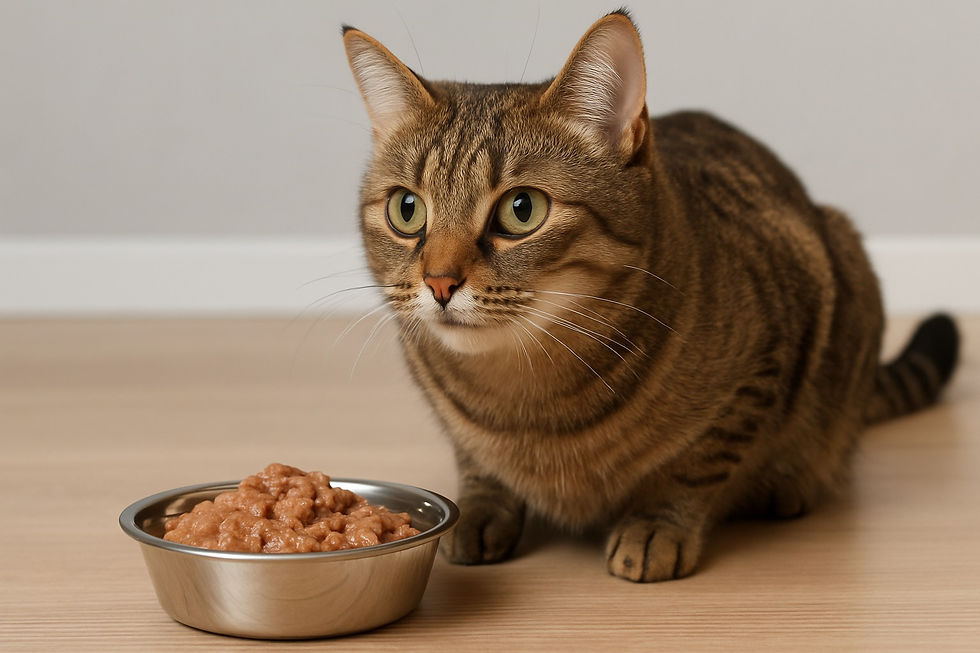
Cats are more than just pets—they are family members who deserve the very best in nutrition and care. Choosing the right food is one of the most important responsibilities of a cat parent. While dry kibble is popular for its convenience, many veterinarians emphasize the benefits of incorporating healthy wet food for cats into their diet. Wet food is closer to what felines naturally eat in the wild, providing hydration, protein, and balanced nutrition that supports their overall well-being.
In this guide, we’ll explore why wet food matters, what makes it healthy, how to select the right option, and which varieties are considered best for different lifestyles, including indoor cats. We’ll also answer common questions pet owners have about feeding their feline friends.
Why Wet Food is Important for Cats
Cats are obligate carnivores, which means their bodies thrive on a meat-based diet. In the wild, a cat’s prey consists of about 70–75% water, making hydration an essential part of their nutrition. Unfortunately, many domestic cats do not drink enough water on their own, leading to dehydration-related issues such as urinary tract infections, kidney disease, or bladder stones.
This is where wet food becomes a lifesaver. Since wet food naturally contains higher moisture levels, it helps keep your cat hydrated, supports urinary health, and reduces the risk of long-term health complications. By offering a balanced diet with wet food, you’re ensuring that your cat gets both nutrients and hydration in one meal.
What Makes Healthy Wet Food for Cats
Not all wet foods are created equal. To ensure your feline gets the best nutrition, look for these qualities:
High Protein Content Cats need animal-based protein to build strong muscles, support energy, and maintain lean body mass. The first ingredient in any quality wet food should be a real source of meat such as chicken, turkey, salmon, or beef.
Limited Carbohydrates Unlike humans or dogs, cats do not require high levels of carbohydrates. Too many fillers like corn, wheat, or soy can lead to weight gain and digestion issues.
Added Nutrients A good wet cat food should include essential nutrients such as taurine, an amino acid vital for heart and eye health, as well as omega fatty acids for a shiny coat and healthy skin.
Moisture-Rich Formula Hydration is the biggest advantage of wet food. Look for products that contain 70% or more moisture to support urinary tract health.
No Harmful Additives Avoid foods that rely on artificial colors, flavors, or preservatives. A natural, wholesome recipe is always best.
Vet Recommended Wet Cat Food
Veterinarians often recommend wet food as part of a balanced feline diet. It’s not just about taste—it’s about preventing future health concerns. Many vets suggest including wet food in your cat’s daily meals to lower risks of obesity, diabetes, and urinary tract infections.
When browsing cat food online, look for labels that highlight “veterinarian formulated” or “vet recommended.” These options are designed with feline health in mind and often undergo strict nutritional testing. Some premium brands also offer specialized formulas for kittens, seniors, or cats with sensitive stomachs.
Best Healthy Wet Food for Cats
Every cat is unique, and so are their dietary needs. While kittens need extra calories and nutrients to support growth, senior cats benefit from low-calorie, easy-to-digest recipes. Here are a few categories to consider:
Grain-Free Wet Food: Ideal for cats with food sensitivities.
High-Protein Recipes: Perfect for active and playful cats.
Limited Ingredient Formulas: Great for sensitive stomachs and allergies.
Prescription Wet Food: Tailored for cats with specific health concerns like kidney or urinary issues.
When searching for the best healthy wet food for cats, consider your pet’s age, weight, lifestyle, and health requirements.
Best Wet Cat Food for Indoor Cats
Indoor cats have different lifestyles compared to outdoor cats. They are less active and prone to gaining weight more easily. Choosing the best wet cat food for indoor cats means looking for:
Controlled Calories: Helps maintain a healthy weight.
Added Fiber: Supports digestion and helps reduce hairballs.
Balanced Moisture: Keeps them hydrated, especially since indoor cats may drink less water.
Indoor-specific formulas are widely available when you shop cat food online. These recipes ensure your cat gets the right balance of nutrients without overloading on calories.
Buying Cat Food Online
Shopping for cat food online has become a convenient option for busy pet parents. With just a few clicks, you can compare brands, check ingredients, read reviews, and even subscribe for regular deliveries. This saves time and ensures you never run out of food. Online stores also often provide detailed nutritional information and vet recommendations, making it easier to select the healthiest options.
For added trust, choose reputable pet supply websites that carry authentic, vet-approved products. Many also offer discounts and bundle deals on wet food packs, making it both affordable and convenient.
Tips for Feeding Wet Food
Portion Control: Follow feeding guidelines on the packaging or consult your vet. Overfeeding can lead to obesity, even with wet food.
Mix Feeding: A combination of dry and wet food can provide both dental benefits and hydration.
Gradual Transition: If switching from dry to wet food, introduce it slowly to avoid digestive upset.
Proper Storage: Keep opened cans in the refrigerator and use them within 2–3 days.
Conclusion
Healthy wet food for cats isn’t just a treat—it’s an essential part of their diet. With its high moisture content, protein-rich ingredients, and vet-backed formulations, it supports hydration, prevents common health issues, and promotes overall well-being. Whether you’re browsing cat food online for everyday meals or searching for the best wet cat food for indoor cats, prioritizing quality and nutrition will ensure your feline friend lives a long, happy, and healthy life.
FAQs
1. Is healthy wet food for cats better than dry food?
Yes, wet food provides essential hydration along with balanced nutrition, making it highly beneficial for urinary and kidney health. Dry food, however, can still be part of a mixed diet.
2. How often should I feed my cat wet food?
Most vets recommend offering wet food at least once daily. Some cats thrive on a full wet food diet, while others do well with a mix of wet and dry food.
3. What is the best wet cat food for indoor cats?
Indoor cats benefit from calorie-controlled, fiber-rich wet food that helps maintain weight and reduce hairballs while keeping them hydrated.
4. Can I buy vet recommended wet cat food online?
Absolutely. Many trusted pet supply websites carry veterinarian-approved wet food, often with subscription options for regular delivery.
5. What should I look for in the best healthy wet food for cats?
Choose a food with high-quality protein as the first ingredient, balanced nutrients like taurine and omega fatty acids, minimal fillers, and no artificial additives.


Comments